Science & standards
Built on real science, not trends
Every Feast formula is backed by peer-reviewed research, manufactured to pharmaceutical-grade standards, and fully transparent. Here's the science behind what makes it work.
Made in the USA
Manufactured in US-based facilities
GMP certified
Current Good Manufacturing Practices
Third-party tested
Independent lab verification
No proprietary blends
Every ingredient & dose disclosed
No unnecessary fillers
Clean formulas, nothing extra
NSF certified
Verified by NSF International
Our philosophy
The principles that guide every formula we make
The science of feasting
Understanding the digestive challenges of rich, indulgent meals — and how Feast addresses them
How ingredients work together
Each formula is designed as an integrated system — ingredients amplify each other through complementary mechanisms
Fat Digestion Pipeline
Bile production → fat emulsification → lipid breakdown
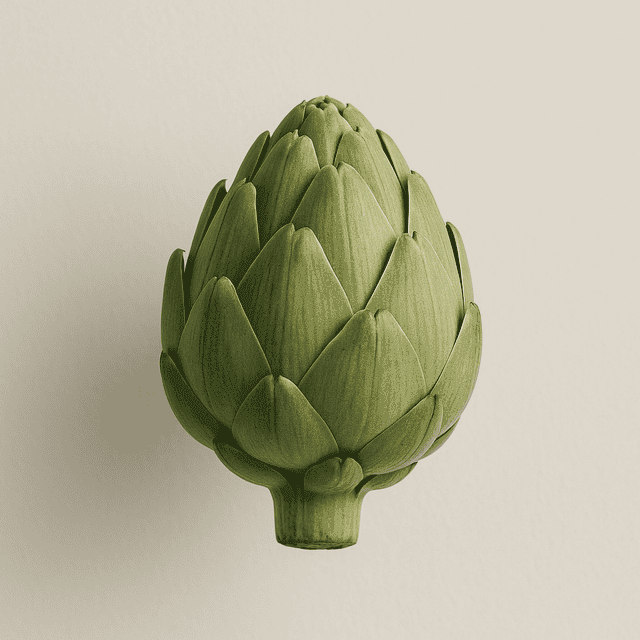
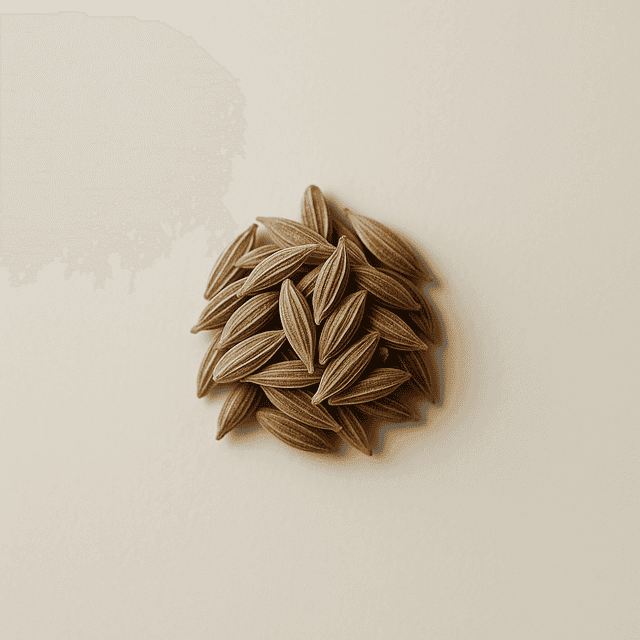
Artichoke stimulates bile flow to emulsify dietary fats before the meal. After the meal, cumin enhances pancreatic enzyme secretion and bile output, while lipase cleaves the emulsified triglycerides into absorbable fatty acids. A sequential three-step system that spans both formulas.
Stomach Protection
Acid stimulation + surface coating + deep repair
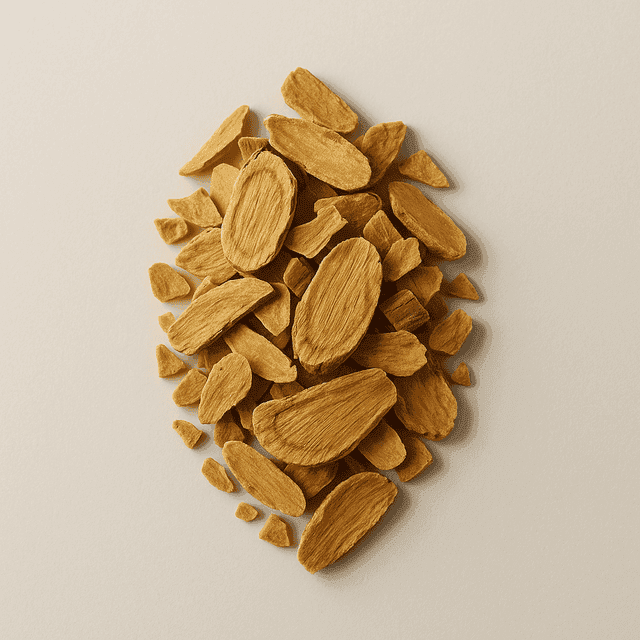
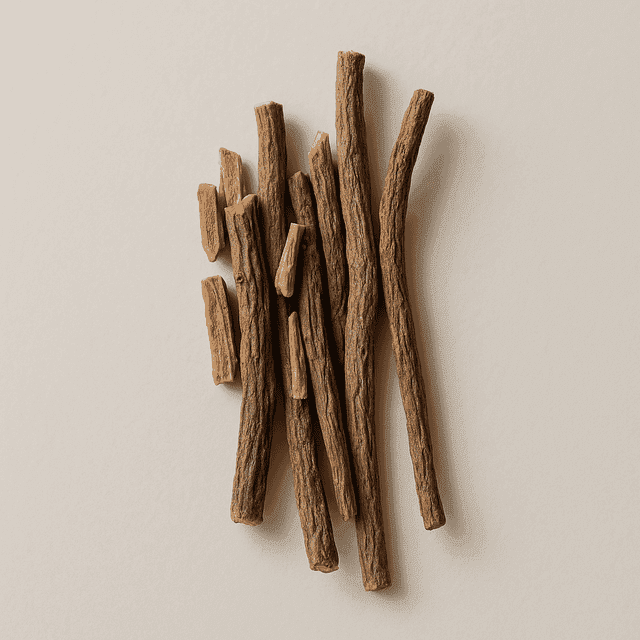
Gentian root activates bitter receptors to stimulate stomach acid for better digestion. DGL coats the stomach lining with a protective mucus barrier, while zinc carnosine supports deeper structural repair of epithelial cells. Together, they balance digestive power with mucosal defense.
Antispasmodic Network
Three mechanisms covering stomach to intestines
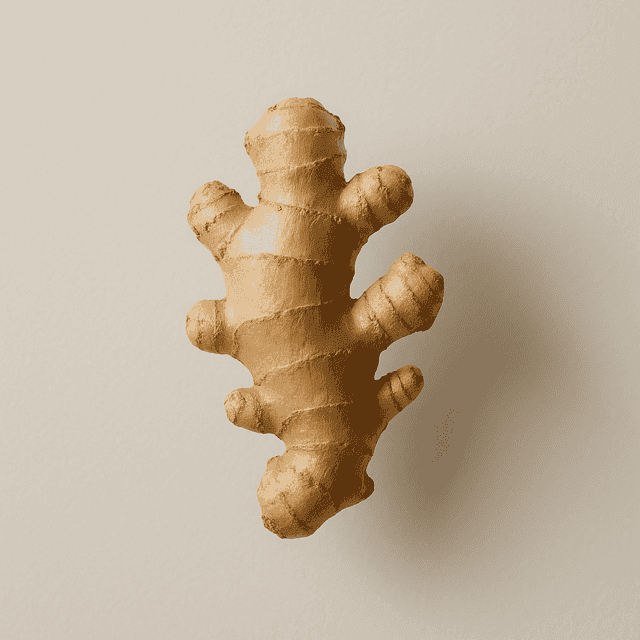
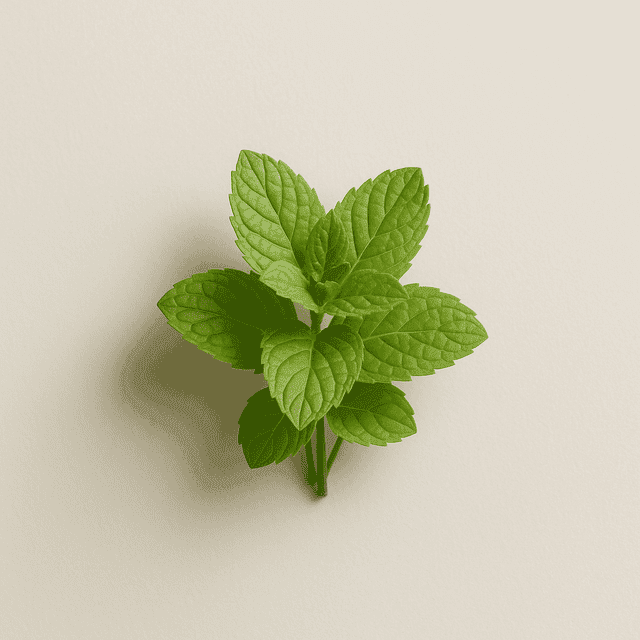
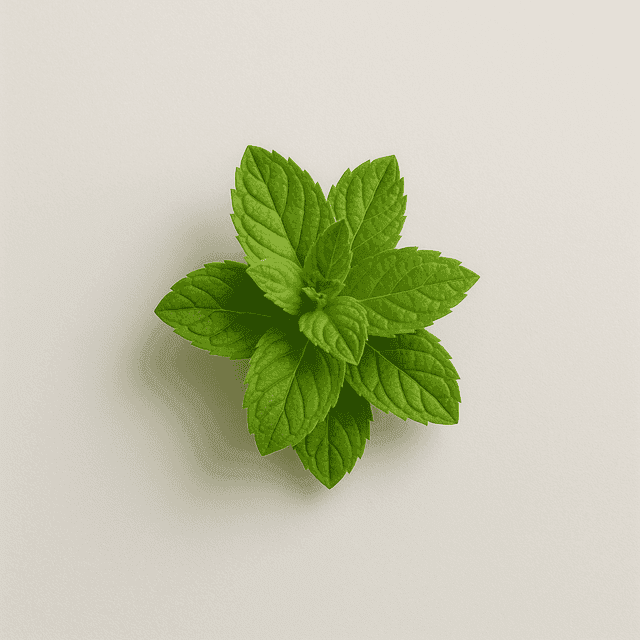
Ginger oil releases immediately in the stomach for carminative relief. Peppermint and spearmint oils are enteric-coated to reach the intestines, where menthol and carvone relax smooth muscle through complementary calcium channel pathways. Full GI tract antispasmodic coverage.
Anti-inflammatory Pathway
Two independent pathways + clinically validated pairing
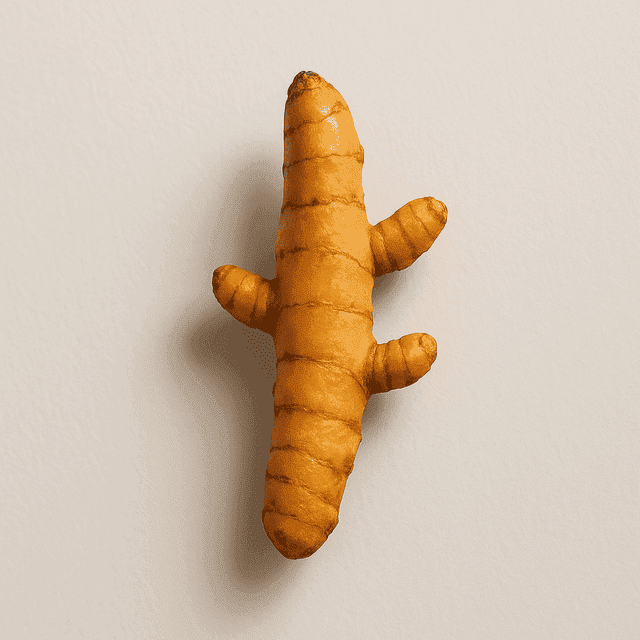
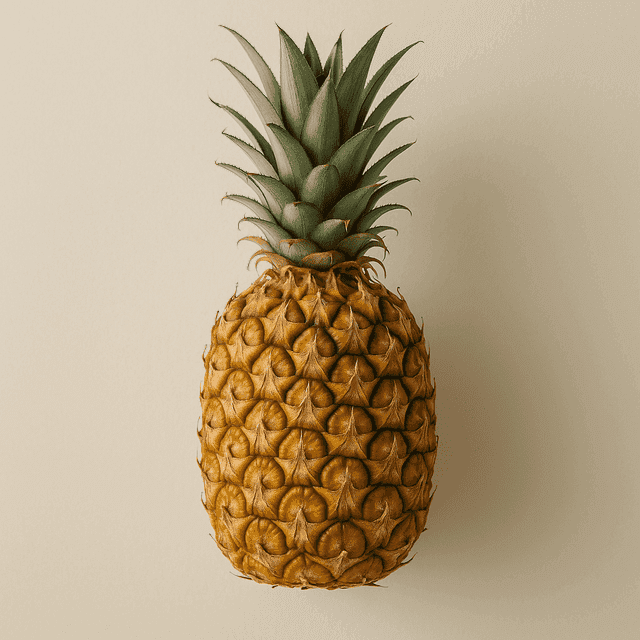
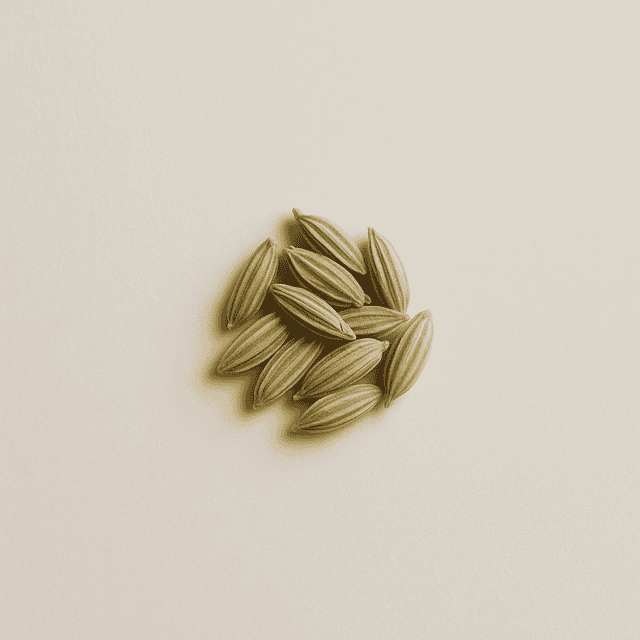
Curcumin phytosome inhibits NF-κB to reduce inflammatory cytokines, while bromelain modulates prostaglandins through a separate protease-mediated pathway. Fennel seed oil is paired with curcumin following the exact clinical trial protocol that achieved significant IBS symptom improvement.
The curcumin + fennel pairing follows a published clinical trial protocol that achieved 50% IBS symptom reduction in 30 days.
Carbohydrate Cascade
Cell walls → starches → sugars → gas prevention
Cellulase breaks open plant cell walls to expose starches. Amylase converts those starches to maltose, which maltase then breaks into glucose. Invertase handles dietary sucrose. Alpha-galactosidase targets the specific oligosaccharides in beans and cruciferous vegetables that cause gas.
Full transparency
Explore all 19 ingredients
Every ingredient, every dose, every mechanism — disclosed. Dive deep into the research behind each component of the Feast protocol.
View all ingredients