Protease Blend
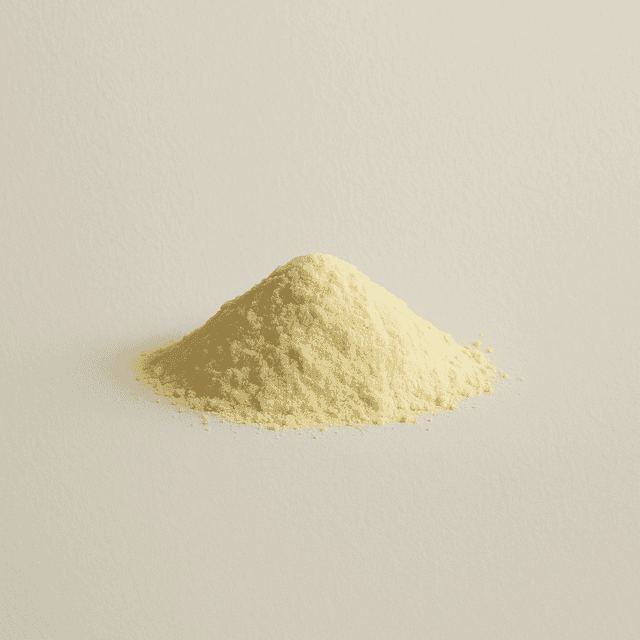
150mg per servingAcid-stable and neutral proteases for protein digestion across the full GI pH range.
Overview
What it is
The protease blend in Feast contains two complementary fungal-derived proteases from Aspergillus species: acid-stable protease (active at pH 2–5) and neutral protease (active at pH 5–8). This blend ensures continuous protein digestion from the acidic stomach environment through the progressively alkaline small intestine. Fungal-derived proteases are preferred over animal-derived enzymes because they function across a much broader pH range.
Mechanism
How it works
The acid-stable protease begins working immediately in the stomach's acidic environment (pH 2–4), cleaving large protein molecules into smaller polypeptides. As food moves into the duodenum and small intestine where pH rises to 6–8, the neutral protease takes over, further breaking polypeptides into absorbable di- and tri-peptides and amino acids. This pH-staggered approach mimics and supplements the body's own pepsin (stomach) and trypsin/chymotrypsin (intestine) system.
Why it helps
Key benefits
Provides continuous protein digestion from stomach through intestine
Acid-stable component works in the stomach's low pH environment
Neutral component completes digestion in the alkaline intestine
Fungal-derived enzymes work across a broader pH range than animal-derived alternatives
Evidence
The research
Fungal proteases and their application in supplemental digestive enzyme formulations
Rao MB, Tanksale AM, Ghatge MS, Deshpande VV. · Microbiology and Molecular Biology Reviews (1998)
Fungal proteases from Aspergillus demonstrate stability and activity across pH 2–8, significantly outperforming animal-derived enzymes (pepsin pH 1.5–4, trypsin pH 7–9) in breadth of activity.
Multi-enzyme supplementation reduces bloating and flatulence after high-calorie meals
Majeed M, Nagabhushanam K, Natarajan S, et al. · Nutrition Journal (2018)
In a randomized controlled trial, multi-enzyme supplementation including proteases significantly reduced bloating, flatulence, and epigastric pain after high-calorie meals, validating enzyme replacement for healthy adults with occasional maldigestion.
Pancreatic enzyme replacement therapy for pancreatic exocrine insufficiency
Dominguez-Munoz JE. · Advances in Medical Sciences (2011)
Comprehensive review established prescription enzyme replacement therapy (PERT) as a well-validated medical intervention, confirming that supplemental proteases significantly improve protein digestion outcomes.
Dosage
150mg per serving
Why this dose
The 150mg protease blend delivers a minimum of 60,000 HUT (hemoglobin units of tyrosine) of total proteolytic activity. This activity level significantly supplements the body's own protease production, particularly important after protein-heavy meals where natural enzyme production may be insufficient. The activity is measured by FCC (Food Chemical Codex) standards.
The formula
Why it matters
Protein is the hardest macronutrient to digest. Incomplete protein digestion leads to the heaviness and sluggishness that follow rich meals containing steak, cheese, eggs, and other dense protein sources. The body's own proteases (pepsin, trypsin) have narrow pH ranges and can be overwhelmed by large meals. A broad-spectrum protease blend ensures protein is fully broken down regardless of meal size or individual enzyme production capacity.
Works with
Bromelain
The protease blend uses serine/aspartic protease mechanisms while bromelain is a cysteine protease — different enzyme classes that cleave proteins at different peptide bonds for more complete digestion.
Lipase
Protease handles protein while lipase handles fat — together with amylase, they form the complete macronutrient enzyme coverage in the after-meal formula.