Cellulase
40mg per servingBreaks down plant cell walls that the human body cannot digest on its own.
Overview
What it is
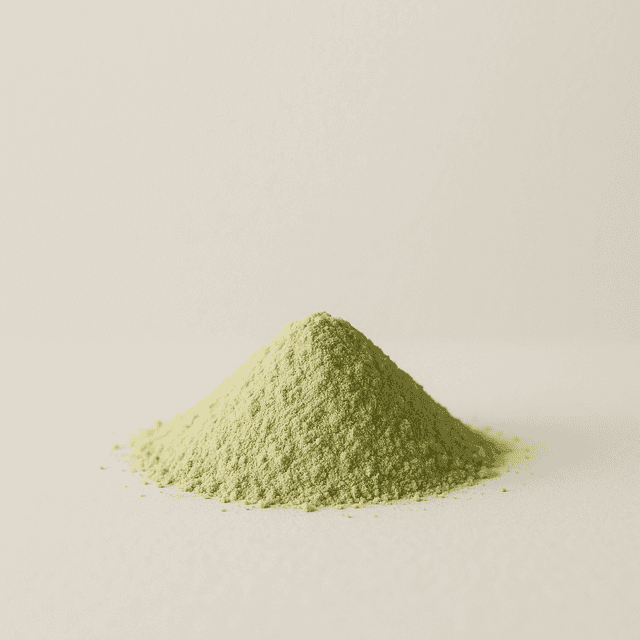
Cellulase is a group of enzymes that break down cellulose — the structural fiber that forms the walls of every plant cell. Humans do not produce cellulase, which is why raw vegetables and plant-heavy meals can cause significant digestive difficulty. The cellulase in Feast is derived from Trichoderma reesei, a fungus that produces highly active cellulase enzymes. This is the same organism used in industrial cellulose processing.
Mechanism
How it works
Cellulase works by hydrolyzing the beta-1,4-glycosidic bonds that hold cellulose fibers together. When plant cell walls are broken open, the nutrients trapped inside (vitamins, minerals, phytonutrients) become accessible for absorption. Without cellulase, these nutrients pass through the GI tract locked inside intact plant cells. Additionally, breaking down cellulose reduces the volume of undigested fiber reaching the large intestine, where bacterial fermentation of fiber produces gas.
Why it helps
Key benefits
Breaks down cellulose that humans cannot digest naturally
Releases nutrients locked inside plant cell walls for absorption
Reduces gas from bacterial fermentation of undigested fiber
Improves digestive efficiency of vegetable-heavy meals
Evidence
The research
Cellulase supplementation improves nutrient availability from plant-based foods
Kaur J, Chadha BS, Kumar BA, Saini HS. · Bioresource Technology (2007)
Cellulase enzymes significantly increased the release of intracellular nutrients from plant cell matrices, demonstrating that cell wall degradation directly improves nutrient bioavailability.
Trichoderma cellulases: biochemical and industrial applications
Bhat MK. · Biotechnology Advances (2000)
Trichoderma-derived cellulases demonstrate high activity and stability in GI-relevant pH conditions (pH 4–7), making them suitable for oral enzyme supplementation applications.
Dosage
40mg per serving
Why this dose
The 40mg cellulase dose delivers a minimum of 1,000 CU (cellulase units) of activity, measured by FCC standards. This activity level provides meaningful cellulose breakdown for typical vegetable portions without excessive fiber degradation that could cause loose stools. The dose targets the cell wall-bound nutrients rather than attempting to fully digest all dietary fiber.
The formula
Why it matters
Humans are one of the few mammals that cannot produce cellulase. This means that no matter how thoroughly you chew, plant cell walls remain largely intact through digestion. Supplemental cellulase addresses this fundamental gap in human digestive capability, making vegetable-heavy meals easier to process and improving nutrient extraction from plant foods.
Works with
Alpha-Galactosidase
Cellulase breaks down plant cell walls while alpha-galactosidase breaks down the gas-producing sugars inside — both targeting different aspects of plant-food digestion.
Amylase
Cellulase opens plant cell walls to expose starches, which amylase then breaks down into absorbable sugars — a sequential plant-food digestion process.