DGL (Deglycyrrhizinated Licorice)
400mg per servingCoats the stomach lining with a protective mucosal barrier before meals.
Overview
What it is
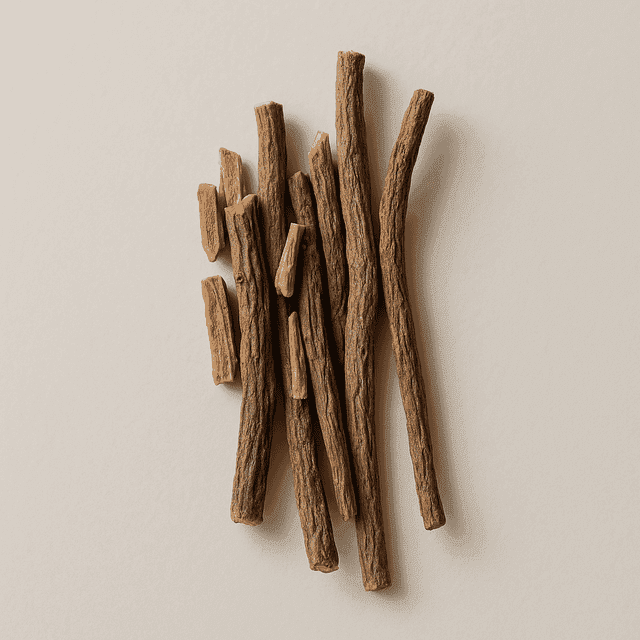
DGL is a specially processed form of licorice root (Glycyrrhiza glabra) with the compound glycyrrhizin removed. Glycyrrhizin causes water retention and blood pressure elevation with regular use, making standard licorice unsafe for daily supplementation. DGL retains the mucosal-protective flavonoids and polysaccharides while eliminating the safety concern, making it suitable for daily pre-meal use.
Mechanism
How it works
DGL stimulates the production and release of mucin, the glycoprotein that forms the stomach's protective mucus layer. This mucus barrier shields the stomach lining from hydrochloric acid and digestive enzymes. By taking DGL before a meal — when the stomach is about to increase acid production — you reinforce this protective layer preemptively. DGL also promotes the growth of mucosal cells and increases blood flow to the stomach lining, supporting ongoing tissue repair.
Why it helps
Key benefits
Stimulates protective mucus production in the stomach lining
Shields gastric tissue from acid and enzyme exposure during meals
Supports mucosal cell growth and stomach lining repair
Safe for daily use with glycyrrhizin removed
Evidence
The research
DGL in the treatment of gastric ulcers: a randomized placebo-controlled trial
Morgan AG, McAdam WAF, Pacsoo C, Darnborough A. · Gut (1982)
In a randomized, placebo-controlled trial of 33 patients with gastric ulcers, DGL at 760mg three times daily reduced ulcer size by 78% compared to 34% in the placebo group over 1 month.
Endoscopic controlled trial of four drug regimens in chronic duodenal ulceration
Kassir ZA. · Irish Medical Journal (1985)
In a comparative trial of 100 patients with peptic ulcers, DGL (760mg three times daily) achieved ulcer healing rates comparable to cimetidine at 6 and 12 weeks, with a far superior safety profile.
Effect of GutGard in the management of Helicobacter pylori: a randomized double blind placebo controlled study
Puram S, Suh HC, Kim SU, et al. · Evidence-Based Complementary and Alternative Medicine (2013)
In a randomized, double-blind trial of 107 patients with H. pylori infection, GutGard® (patented DGL) at 150mg daily for 60 days produced negative H. pylori results in 56% of patients vs. 4% of placebo.
Effect of deglycyrrhizinated liquorice on gastric mucosal damage by aspirin
Rees WDW, Rhodes J, Wright JE, et al. · Scandinavian Journal of Gastroenterology (1979)
DGL co-administration significantly reduced aspirin-induced gastric bleeding and fecal blood loss, demonstrating strong gastroprotective effects against drug-induced mucosal damage.
Dosage
400mg per serving
Why this dose
Clinical studies on DGL typically use doses of 380–760mg before meals. The 400mg dose in Feast matches the lower end of the clinically effective range, providing meaningful mucosal support while keeping the total capsule size manageable for the multi-ingredient before-meal formula.
Safety & tolerability
DGL is considered safe for daily use because glycyrrhizin — the compound that causes hypertension and potassium depletion — has been removed. Standard licorice root should not be substituted for DGL in daily protocols.
The formula
Why it matters
Rich meals trigger a surge in stomach acid production. Without adequate mucosal protection, this acid can irritate the stomach lining, causing discomfort during and after eating. DGL reinforces your stomach's natural defense before the acid surge begins. This is especially important for people who eat irregular or large meals, where the stomach may not be fully prepared for the digestive demands ahead.
Works with
Zinc Carnosine
DGL provides surface-level mucosal coating while zinc carnosine supports deeper structural repair of the stomach lining — complementary layers of protection.
Gentian Root Extract
Gentian stimulates stomach acid production for better digestion, while DGL ensures the stomach lining is protected from that increased acid.